Technology decisions, explained
Software, AI and operations — with examples you can use.

Custom software or SaaS? Work through the trade-offs.
A booking-business example, a three-year cost model and the tests to run before choosing a system.
Read article →
How to read a DMARC aggregate report before changing mail settings
A report row is evidence about a receiver's observation, not a list of approved senders or a deliverability score. Here is a practical way to separate authentication failures, alignment and legitimate traffic.
Read article →
Measure order coupons and item discounts in GA4 without inflating revenue
A coupon code does not tell GA4 how much a customer paid. Decide which discount belongs to the whole order and which applies to an item, then reconcile the discounted prices with a confirmed purchase.
Read article →
When should a shop send GA4 add_to_wishlist?
Measure a successful save of a specific item, then decide what that signal can and cannot tell you.
Read article →
What can Google Ads Auction Insights actually tell a small business?
Read shared auction metrics in their proper scope before changing bids, budgets or customer pages.
Read article →
When to restate or retract a Google Ads conversion after an order changes
A return, cancellation or revised invoice should not leave the ad report pretending the original order still has its original value. Choose the adjustment that matches the actual order state and preserve a traceable identifier.
Read article →
How should a retailer write Merchant Center product highlights?
Choose verifiable short points for the exact item, format them correctly, and check the result without promising placement.
Read article →
GA4 remove_from_cart: measure an actual cart change
A cart-removal event is useful only when it describes what the shopper actually removed. This guide sets a trigger, item values and tests that make the number interpretable.
Read article →
GA4 add_payment_info: define the payment step precisely
A payment step event describes a submitted choice or payment information, not a charge. Map the real checkout, send consistent item data and test the path before reading a funnel.
Read article →
When should a shop send GA4 add_shipping_info?
A shipping choice is a checkout step, not a purchase. Define the accepted action, preserve the actual cart and test the event before reading the funnel.
Read article →
When will Gmail Postmaster Tools help diagnose your business email?
Read Postmaster data as a limited Gmail diagnostic, then match it to the affected sender, dates and customer messages.
Read article →
Google Ads audience Observation: learn without narrowing Search reach
Observation and Targeting answer different questions. Choose the right Search audience setting, verify its scope and read the resulting report without overstating demand.
Read article →
How to use a Google Ads final URL suffix without breaking the landing page
Put tracking parameters in the right URL field, test the resulting destination and preserve the customer page that the ad promised.
Read article →
What can responsive search ad asset statistics actually tell you?
Use the newer asset statistics to find a sensible creative question, then judge the whole campaign and customer outcome.
Read article →
Pause a Merchant Center product without misreporting its stock
Use the pause setting for a short visibility decision, keep availability truthful and plan the route back before hiding a sellable item.
Read article →
Can your shop honestly offer “pickup today” on Google?
A store pickup annotation is a customer promise tied to a particular product, location and time. Test the whole journey before enabling it.
Read article →
How can a business change a DKIM key without breaking signed mail?
Use the selector in real messages to plan a controlled overlap between old and new verification keys.
Read article →
When should a shop send GA4 view_item for a product detail page?
A practical test for product views, variant identity, event value and the decisions the metric can actually support.
Read article →
Should a local business connect its locations to Google Ads?
Decide which real locations belong in an ad, link the correct Business Profile and verify what can appear.
Read article →
When do Merchant Center custom labels help a shop make a product decision?
Choose a useful grouping, keep the values maintainable and verify what advertising reports can actually tell you.
Read article →
How should a small business combine SPF authorizations for its mail senders?
Map the services that actually send mail before changing a domain policy, and verify the result with real messages.
Read article →
Can customers act on a confirmation email without its HTML design?
Make the plain text and HTML parts of a transactional message carry the same essential answer and next action.
Read article →
Where should a shop record the start of checkout in GA4?
A checkout-start event should describe a real customer step, carry the current cart, and survive a deliberate test. Its count is a starting point for investigation, not a count of orders.
Read article →
What GA4 engagement rate can tell a Hong Kong SME about a landing page
An engaged session is a defined measurement outcome, not a verdict on whether a visitor understood an offer or became a customer.
Read article →
Which Google Ads billing document should your bookkeeper retrieve?
Start with the account’s payment setting, then retrieve the document for the right period and reconcile costs, payments and adjustments without labelling every receipt an invoice.
Read article →
Choose Google Ads conversion values without mistaking estimates for revenue
A conversion value is useful only when its basis matches the action and the team can explain what the reported total means.
Read article →
Choose a Google Ads conversion window that reflects the buying journey
A shorter window changes which attributed outcomes are recorded; it does not make a customer decide sooner.
Read article →
Google Ads keyword match types: choose reach you can actually review
A decision guide for Hong Kong SMEs choosing exact, phrase or broad match in a Search campaign.
Read article →
Google Search ad language changes: plan bilingual customer journeys
What a Hong Kong SME should check as Google changes Search campaign language targeting from September 2026.
Read article →
Multipack or bundle? Describe the exact Merchant Center offer
A shop-created pack of identical products and a shop-created set of different products need different Merchant Center data. Start with the unit the customer can actually buy.
Read article →
Merchant Center condition: classify an opened or refurbished product honestly
A Hong Kong retailer’s guide to choosing new, used or refurbished condition for the exact item sold.
Read article →
Can GA4 video events tell whether customers watched your embedded tutorial?
Test the player and event sequence before interpreting starts, milestones or completions.
Read article →
Who should control a small business Google Ads account?
Choose user and agency access by the work each person must perform, then check who can still control the account after a handover.
Read article →
Google Ads auto-tagging: check the setting and the landing-page journey
A practical way to test whether an ad click identifier survives the path to a usable customer page.
Read article →
Should Google Ads count one or every conversion?
Set the count for each conversion action according to the business outcome it represents, then audit the source event and report columns.
Read article →
Should your Search campaign change bids by device?
Read the bidding strategy and customer path before changing mobile, desktop or tablet settings.
Read article →
When should a shop override its Google product category?
Audit the category assigned to a real item, use a valid taxonomy value only when an override addresses a specific problem, and check the resulting product status.
Read article →
Merchant Center product descriptions: describe the exact item, not the offer
A practical method for writing and checking a product description against the item, landing page and feed.
Read article →
Search Console branded queries: use the filter without inventing demand
Compare branded and general search questions while respecting classification errors and missing query rows.
Read article →
What should a shop do with Search Console Merchant opportunities?
Use eligibility, account association and actual store terms to decide which suggestions deserve action.
Read article →
GA4 internal promotion events: measure a viewed banner and an actual selection
Define what counts as a promotion view and selection, send stable promotion and item details, then interpret the result beside real orders.
Read article →
Should your site send GA4 User-ID for signed-in customers?
Decide whether cross-device measurement is useful, then test the sign-in and sign-out boundaries.
Read article →
Which business name and logo should appear with a Google Search ad?
Match the verified advertiser, domain, landing page and real mark before choosing a business identity asset.
Read article →
How should a Hong Kong SME choose Google Ads callout assets?
Write short, verifiable service facts at the right account level, then inspect what is eligible and still true.
Read article →
Use Google Ads change history to investigate a campaign shift
A practical audit of what changed, who changed it, and what the timeline can actually show.
Read article →
Should a Hong Kong SME add image assets to its Google Search ads?
Choose images that depict the real offer, meet account and format rules, and survive a customer check after the click.
Read article →
Google Ads Quality Score: diagnose the customer journey behind a low score
Use keyword level components to choose a real ad or landing page repair, then judge the result with customer outcomes rather than the score alone.
Read article →
Merchant Center product titles: identify the exact item before chasing keywords
A title is a product identity promise. Build it from the exact item, check variants and landing pages, then verify the submitted and displayed versions.
Read article →
Should your SME set up Search Console bulk export to BigQuery?
A decision and operating guide for teams that need more than a report download.
Read article →
Can GA4 form_start and form_submit diagnose an enquiry form?
Test what the automatic events actually record before using them to explain a gap in enquiries.
Read article →
Should a Hong Kong SME let Google Ads apply recommendations automatically?
A practical audit of subscriptions, change history and business constraints before allowing account changes.
Read article →
Should your Hong Kong service business use a Google Ads lead form asset?
Decide from eligibility, contact handling and lead quality before placing a form inside an ad.
Read article →
When should a Hong Kong business use Google Ads price assets?
Show comparable, currently purchasable options while keeping every price and destination truthful.
Read article →
How should a Hong Kong shop run a truthful Google Ads promotion asset?
Match the advertised saving, eligibility, dates and landing page to an offer customers can actually redeem.
Read article →
Should a Hong Kong Search campaign include Google search partners?
Use the network segment, real customer outcomes and campaign constraints to decide whether partner traffic serves the offer.
Read article →
Which Google Ads structured snippets describe your real offer?
Choose an eligible header and truthful values, then audit the asset at the right account level.
Read article →
When should a Hong Kong shop use a Merchant Center supplemental data source?
Decide whether a secondary source can repair existing product attributes, then test ID matching and final values before applying rules.
Read article →
What should an SME do with Search Console HTTPS report issues?
Use the report to locate consequential HTTP indexing and test the matching secure page.
Read article →
GA4 add-to-cart events: record the accepted cart change
Define the moment, item data and test cases before treating add-to-cart counts as a shopping signal.
Read article →
How should a Hong Kong SME define and check a GA4 audience?
Use a specific customer question to choose audience conditions, exclusions and reporting checks before sharing a list with ads.
Read article →
When should a Hong Kong SME schedule Google Search ads?
A practical way to decide when ads may appear, translate operating hours into account time, and verify the result.
Read article →
Should your Google Search ad offer a direct phone call?
Choose a call asset around real answer capacity, a verified business number and a clear interpretation of call reports.
Read article →
How to run a Google Ads Search experiment that answers one business question
A practical route from a single hypothesis to a decision, with budget, measurement and interpretation checks for a Hong Kong SME.
Read article →
Google Ads sitelinks: choose the page before writing the link
A practical way for a Hong Kong SME to choose useful sitelink pages, set the right scope and check what actually appears.
Read article →
What Business Profile views and actions really tell a Hong Kong shop
Read Google Business Profile performance alongside the customer journey, and turn the report into a practical service decision.
Read article →
Google consent mode: verify defaults, choices and page changes
A practical technical review of whether a site passes its own consent choices to Google tags at the right time.
Read article →
Are your Merchant Center products ready for free listings?
Check the marketing method, exact product data, destination and status before treating organic listing traffic as a business result.
Read article →
Measure product list views and selections in GA4
A measurement plan for category and recommendation lists that distinguishes display, selection and purchase.
Read article →
Google Ads primary and secondary conversions: choose what bidding should value
Separate completed customer actions from useful observations before a campaign optimises for the wrong signal.
Read article →
Google Ads daily budgets: plan for the bill, not a fixed daily spend
A practical way for a Hong Kong SME to choose a campaign budget, read overdelivery, and check the bill after a change.
Read article →
Google Ads location targeting: presence or interest for a Hong Kong service business?
Choose a Search campaign location option from the actual service boundary, then check what the setting can and cannot establish.
Read article →
Responsive search ads: when should a Hong Kong SME pin its wording?
Plan truthful headlines and descriptions, pin only wording that must appear, and verify the offer across possible combinations and the landing page.
Read article →
How to decide which Google Ads search terms to exclude
A practical review of query relevance, negative match types, scope and the evidence needed before changing a Hong Kong Search campaign.
Read article →
How to triage Merchant Center’s Needs attention list
A practical issue queue for merchants that keeps product truth, customer impact and source-of-data ownership together.
Read article →
Merchant Center variants: group the right items and land on the right choice
A Hong Kong retailer can audit item_group_id, item IDs, variant attributes and landing pages as one customer decision.
Read article →
Which Search Console page indexing issues deserve action first?
A practical way to turn a report full of excluded URLs into a short, defensible repair queue.
Read article →
When should a Hong Kong SME create a GA4 custom channel group?
A channel group can make a report easier to read, but its rules, order and reporting scope change what the rows mean. Start with a decision the default group cannot answer.
Read article →
How can a Hong Kong shop stop duplicate GA4 purchases?
Trace the confirmed order, event trigger and transaction ID before using GA4 purchase figures to judge sales.
Read article →
How should a Hong Kong shop measure a partial refund in GA4?
Connect the refund event to a confirmed order action, preserve the original transaction ID, and separate item value from shipping.
Read article →
How should a Hong Kong business reply to Google reviews?
A practical way to decide when to reply, what to say publicly, and when to move a customer problem into a private service process.
Read article →
Why did Google change my page title in Search? A practical title-link audit
Compare the actual result with the live page, fix conflicting page signals, and verify the change without expecting exact display.
Read article →
When should a Hong Kong shop use Merchant Center automatic item updates?
Decide whether automatic corrections can safely bridge occasional product data differences, and how to find the underlying mismatch.
Read article →
Which product image should a Hong Kong shop submit to Merchant Center?
Match the main image to the exact item for sale, audit the image URL and supporting views, then verify repairs against the affected product.
Read article →
How should a Hong Kong shop schedule a Merchant Center sale price?
A valid sale needs a real base price, a matching landing page and checkout, and a time window that ends when the offer ends. A badge is a separate eligibility question.
Read article →
What should a Hong Kong SME do with the Search Console robots.txt report?
Read the exact host, fetch status and parsed rules before requesting a recrawl. A missing file, a server error and an unwanted block require different actions.
Read article →
When should a GA4 event parameter become a custom dimension?
A practical reporting decision for a Hong Kong service site that records enquiry type.
Read article →
Choose a Business Profile website link that helps the right customer
A profile website URL should lead a customer to the right business and survive an ordinary mobile visit.
Read article →
Merchant Center availability mismatch: which system should you fix?
Compare the exact product variant in the feed, landing page, structured data and checkout, then repair the source of truth customers actually use.
Read article →
Which product identifier belongs in your Merchant Center listing?
Check the manufacturer’s GTIN, MPN and brand against the exact item before entering a value; use identifier_exists only when its condition is true.
Read article →
Merchant Center returns: make the listing match the policy customers can use
A return label is useful only when the Merchant Center entry, public policy and checkout promise describe the same decision.
Read article →
How can a shop keep Merchant Center shipping truthful at checkout?
Match eligible products, destinations, charges and delivery promises to what a buyer can actually order.
Read article →
Search Console Crawl Stats: decide whether a spike needs action
Use host status and request details to investigate serving problems; a request count alone does not diagnose indexing or demand.
Read article →
What can the Search Console Links report tell a small business?
Use the report to check important page paths and outside descriptions without treating a sampled link list as a ranking score.
Read article →
Search Console says “Redirect error”: what should you repair?
Trace the complete route from a reported URL to its intended destination, then test the actual customer journey before requesting validation.
Read article →
How should a Hong Kong site pair English and Chinese pages with hreflang?
A bilingual navigation switch is helpful to people, while page-level alternate annotations help Google understand matching versions. Build and test the pairs without inventing regional pages.
Read article →
What does a GA4 file_download event tell a Hong Kong business?
A brochure click can be useful evidence of interest, provided the link, event and customer outcome are kept distinct.
Read article →
Can GA4 scroll events show whether readers used a long page?
The built-in scroll event marks a first reach near the page bottom. Use it as a diagnostic signal, not a reading certificate.
Read article →
How should a single-page site count GA4 page views?
A route change can be a meaningful new screen, but automatic and manual measurement together can count it twice.
Read article →
What belongs in a Google Business Profile description for a Hong Kong shop?
Write a short, verifiable account of the business that helps a customer decide whether to visit or enquire. Keep offers, links, and unsupported claims out of this field.
Read article →
Which phone number belongs on a Google Business Profile?
Choose a reachable, business-controlled number for the right location; decide on alternatives and verify what customers actually see.
Read article →
A manual action in Search Console: how to investigate and request review
A practical response for a Hong Kong site owner who sees a real manual action, including scope, repair evidence and the review request.
Read article →
A Security Issues warning in Search Console: how to protect visitors and request review
Use the actual Security Issues report to scope a website warning, clean the cause and document a review request.
Read article →
When should a Hong Kong business request a temporary Google Search removal?
An urgent Search result and a permanent content decision are separate jobs. Choose the right request, protect the underlying page, and verify what changed.
Read article →
Which URL should represent a page when parameters create copies?
Choose a useful canonical for duplicate parameter URLs, align site signals, and verify Google's selection without hiding distinct pages.
Read article →
GA4 DebugView: test one customer event without mistaking the test for demand
Use a controlled device and a written action sequence to locate missing, duplicated or mistimed events.
Read article →
What does a GA4 outbound click actually tell your business?
Test whether external-link clicks are collected, then decide what they can and cannot say about a customer journey.
Read article →
Google Business Profile special hours: make a short closure or changed day clear
Choose the right hours setting, enter each affected date, and check what a customer can actually see.
Read article →
How can a shop make product photos discoverable in Google Images?
A product-photo publishing workflow that joins real image files, useful page context and honest verification.
Read article →
How can a local shop request Google reviews fairly?
Create the correct review link or QR code, invite genuine feedback without pressure, and audit the customer route.
Read article →
Why is the wrong favicon showing beside our Google result?
A practical audit of the home page, icon file and crawl path for a Hong Kong business site.
Read article →
Why is our help video missing from Google video results?
A page-first diagnostic for teams that publish a useful customer instruction video.
Read article →
Search Console Sitemaps report: diagnose the file before judging page indexing
Understand submission, last read, errors and discovered pages without turning a successful sitemap into an indexing promise.
Read article →
GA4 data retention: choose a window for the questions you actually ask
How a Hong Kong SME can set an appropriate GA4 retention period, understand what it changes, and avoid mistaking missing Exploration data for vanished standard reports.
Read article →
When should a GA4 enquiry become a key event?
A Hong Kong service business can measure a submitted enquiry without counting every visit or failed attempt. The decision starts with defining completion, then testing the event and interpreting reports carefully.
Read article →
Can GA4 show what customers search for on your own site?
Map the real results URL, configure the correct GA4 site-search parameter, test one search journey and treat search terms as product questions rather than proven sales demand.
Read article →
Should a Hong Kong shop add products to its Google Business Profile?
A physical-goods retailer needs to choose an available product path, check eligibility and maintain truthful item details before treating its Business Profile as a shop window.
Read article →
How should a Hong Kong business prepare for Google Business Profile verification?
Choose an eligible profile, follow the methods Google actually offers, and prepare evidence that proves the location, business and your authority without exposing private information.
Read article →
When a customer video needs audio description
A practical way to check visual-only instructions, choose a description method, and test the published video with its player.
Read article →
How should a Hong Kong SME act on Search Console Core Web Vitals?
Read device and URL groups as field evidence, choose one customer task to investigate, test a real page, and validate the fix without treating a report label as a guarantee.
Read article →
What can a small business decide from Search Console performance?
Clicks, impressions, CTR and average position are useful only when the owner compares like with like and understands which rows Google may hide or group differently.
Read article →
Search Console URL Inspection: what changed, and what Google knows
A practical way to diagnose one important page without treating a successful live test as an indexing promise.
Read article →
Keep a booking journey together across two domains in GA4
A separate booking domain can split one visit into two measured journeys. Decide whether cross-domain measurement is appropriate, then test the handoff and its limits.
Read article →
How should a Hong Kong SME tag campaign links for GA4?
A consistent UTM plan can explain which distributed links brought visits. Define the campaign and test the destination before sharing it.
Read article →
When should a Hong Kong shop exclude an unwanted GA4 referral?
A payment return can make a processor look like the source of a customer visit. Diagnose the journey before changing GA4 attribution.
Read article →
Audit Google Business Profile attributes against the real customer visit
Check which amenities, payment methods and accessibility features are actually present before selecting Yes or No.
Read article →
Keep a restaurant menu accurate on Google Business Profile
Choose the right menu source, check prices and availability, then verify what diners can actually see.
Read article →
Choose the right Google Business Profile post for an update, offer or event
Match the post type to the real customer decision, state the conditions, and check its public status.
Read article →
Which social accounts belong on your Google Business Profile?
Choose accounts customers can trust, add them only where the feature is available, and keep links accurate when staff or agencies change.
Read article →
How can a Hong Kong business clarify its site name in Google Search?
A result's site name is generated from homepage signals. Give Google a consistent business identity, then verify the page it can see.
Read article →
When should you use Search Console’s Change of Address tool?
A domain move needs working redirects before the Search Console notice. Decide whether the tool applies, prepare both properties and monitor the move.
Read article →
Make customer status updates perceivable without moving focus
A practical way to decide which changing messages need an accessible status, and how to test the result.
Read article →
Mark language changes inside bilingual customer pages
How to identify meaningful language changes, apply HTML language attributes and test real customer copy.
Read article →
Can this customer be added to a marketing list? Check the consent record first
A purchase, an account and a contact detail do not by themselves describe what marketing use a customer agreed to. Build a record that reflects the actual notice and response.
Read article →
Should your Hong Kong team exclude its own visits from GA4?
Choose a reliable definition of staff traffic, test it, and understand what an active exclusion will permanently remove.
Read article →
Which booking link belongs on your Google Business Profile?
Choose a link that reaches the right location and completes the real booking action, then monitor partner links and customer outcomes.
Read article →
Two Google Business Profiles for one shop: which one should stay?
A duplicate label is a question about real business identity. Compare the locations and eligibility before requesting a merge or removing a profile.
Read article →
Write links that tell customers where they lead
A decision guide for labels, context, repeated calls to action, documents and bilingual link reviews.
Read article →
Can your business retain Search Console when a site manager leaves?
Verify a business-controlled owner first, then review delegated access and the former owner’s surviving tokens.
Read article →
Search Console says soft 404: is the page gone or broken?
A soft 404 is a mismatch between what a URL returns and what its page appears to contain. Diagnose the actual page state before choosing an HTTP response or repair.
Read article →
Help customers recover from form errors without losing their answers
A practical pattern for a bilingual Hong Kong customer form: distinguish fixable input errors from service failures, show a usable summary, keep entered answers and verify the correction journey.
Read article →
A customer disputes a card payment: what evidence should an online shop prepare?
Read the claim and its deadline first, decide whether to accept or contest it, then submit a concise response that addresses the actual reason.
Read article →
Which Google Business Profile category actually describes your business?
A Hong Kong business can choose a primary category and a small number of additional ones. The useful test is what the business is, not every service or keyword associated with it.
Read article →
Who should own your Google Business Profile when an agency or staff member changes?
A practical handover for one Hong Kong business location: check access, choose an accountable owner, transfer primary ownership and verify the result before a departing person leaves.
Read article →
Which photos should a local business add to its Google Business Profile?
Choose photos that help customers recognise the real business and decide whether to visit or enquire. Check format, ownership, review status and the public result.
Read article →
Which services should a Hong Kong business list on its Google Business Profile?
A service list is useful only when customers can tell what the business actually does, what the description covers and when a quoted price needs confirmation.
Read article →
When should a page use noindex, robots.txt or access control?
These controls solve different problems. A public page that should not appear in Google Search needs a crawlable noindex rule; private information needs real access control.
Read article →
A customer says the personal data you supplied is wrong: what should the SME do?
A formal Hong Kong data correction request needs a verified decision, a corrected copy where justified and attention to recipients of the old data.
Read article →
Let keyboard customers bypass repeated navigation and reach the page they came for
A practical way to decide, implement and test a skip-to-content path on a Hong Kong small business site with repeated menus, search and account controls.
Read article →
How can a business enable DNSSEC without breaking its domain?
Coordinate the signed DNS zone with the parent DS record, then prove validating resolvers still reach web and mail services.
Read article →
How to prevent a repeated customer form submit from creating duplicate work
A double tap, retry or lost response can create two enquiries even when the customer intended one. Design the server and confirmation journey around the same submission attempt.
Read article →
Which business pages should another site be allowed to frame?
Decide where embedding is genuinely needed, then set and test the response policy for each page.
Read article →
Google Business Profile hours: regular week, holidays and temporary changes
A practical way to keep the hours customers see on Search and Maps aligned with the hours you can actually serve them.
Read article →
Google review replies: a small business response that protects the customer conversation
A practical review workflow for deciding when to answer, what to say publicly, and when to move a case to a private service channel.
Read article →
Google Business Profile address or service area: choose the truthful customer route
Decide whether customers can visit your location, whether you travel to them, and what a public address would promise.
Read article →
Should your domain enforce TLS for inbound email delivery?
MTA-STS can help protect transport to supported mail hosts, but the policy must match every live MX and be tested before enforcement.
Read article →
What a useful staff change trail should record and how to verify it
When a price, stock status or customer instruction changes, staff need to reconstruct the accepted decision without turning the log into another store of sensitive data.
Read article →
How to stop concurrent staff edits from silently overwriting a record
A record can look correct to each editor while one save erases the other. Give staff a clear conflict path and make the server check the version they actually reviewed.
Read article →
How many product bundles can you really sell?
A bundle is available only when every required component can be supplied. Use component quantities, channel settings and a real checkout test before promising stock.
Read article →
Should a small business restrict certificate issuance with DNS CAA records?
CAA can narrow which public certificate authorities may issue for a domain, but a careless record can also interrupt renewal. Map issuers and test the next issuance before tightening policy.
Read article →
How should a small business investigate unexpected certificate transparency alerts?
CT logs can reveal unfamiliar certificate issuance, but an alert needs context. Match names and issuers to the business inventory before escalating a suspected misissue.
Read article →
Can Google reach the pages behind your JavaScript navigation?
A navigation menu can work for a person yet leave a crawler with no usable URL. Here is a practical way to preserve real links while adding interactive behaviour.
Read article →
What should a Hong Kong SME put in a page title and search description?
Give each important page an accurate title and useful description, while recognising that Google may generate a different result preview.
Read article →
Should a small business publish a security.txt vulnerability contact?
A discoverable security contact helps a reporter reach the right person, but the file only works if the address, expiry and response process are real. Decide the route before publishing it.
Read article →
Can a shared inbox give every customer one accountable reply?
A shared address is useful only when staff can identify the owner of each conversation, send from the right identity and find the sent reply later.
Read article →
One order, two parcels: what should the customer see?
When items leave at different times, an order-level “shipped” label can mislead. Keep each fulfilment, parcel, tracking link and remaining item visible.
Read article →
Should a temporary campaign page appear in Google Search?
Decide from the page’s public purpose and end state, then verify the actual indexing signals.
Read article →
Choose a booking date control customers can actually use
A date picker should help customers choose an available day without hiding the field, trapping focus or promising a slot that has gone.
Read article →
Can customers operate your video player without a mouse?
Test the controls around a prerecorded customer video, from play and seeking to captions and full screen.
Read article →
Should an automatically updating notice ticker stay on a customer page?
Decide whether motion helps, give readers control over qualifying movement and updates, and keep offer conditions in stable text.
Read article →
How long should a booking block the calendar?
A practical way to model service time, preparation and turnaround without promising the same minutes twice.
Read article →
Keep essential campaign words readable outside the image
Decide what belongs in a photograph, what must remain editable page text, and how to handle the narrow exceptions.
Read article →
When a form choice changes the page: make the next step predictable
A selection can reveal nearby fields or unexpectedly move a customer away. Map the difference, give a clear next action, and test both languages.
Read article →
How to name embedded customer widgets so people know which frame to enter
An iframe needs a useful task name on the delivered page. Audit each embedded widget, name it in the page language, and test the whole journey.
Read article →
Prevent accidental taps before customer actions take effect
A practical way to review when touch and mouse actions commit, and whether a customer can still back out.
Read article →
The shelf count differs from the system: what should staff check?
A count variance is a question to investigate before it becomes an inventory adjustment.
Read article →
How should appointment deposits stay clear from booking to cancellation?
A booking deposit needs one clear customer promise and a payment record that distinguishes a hold, a completed charge and a refund.
Read article →
How can appointment reminders stay accurate after a booking changes?
A reminder is useful only when it reflects the current appointment, reaches the right person and gives a clear next action.
Read article →
How should a service business offer a newly vacant appointment to its waitlist?
A cancellation creates an opportunity, but a waitlist is only trustworthy when eligibility, offer expiry and final booking are explicit.
Read article →
How should a retailer keep damaged stock out of the sellable count?
A practical stock-state and physical-handling workflow for Hong Kong shops.
Read article →
What should a service business do when a customer misses an appointment?
A measured response for Hong Kong service teams: establish the facts, protect the slot, apply the stated policy and offer a clear next step.
Read article →
Should product details use tabs, and how can every customer reach the information?
A decision guide for Hong Kong shops choosing between visible sections and an interactive tab set.
Read article →
How should a Hong Kong SME publish an honest website accessibility statement?
A useful statement tells customers what was assessed, where barriers remain, and how to get help. It must match the site they actually use.
Read article →
Will customers find the same navigation in the same order across your site?
A navigation menu can contain all the right links yet still disorient people when its order changes between pages. This guide shows how to compare repeated routes, handle legitimate additions and test the result.
Read article →
Can every customer open, use and leave your support chat?
A chat widget is only a useful help route when its launcher, conversation, message field and exit work together. Test the complete exchange, not just the button.
Read article →
Does your customer form explain its input rules before submission?
A field may have a clear label yet still reject a date, reference or message because an unstated format rule appears only after submission. This guide helps teams put useful instructions where customers can act on them.
Read article →
Can customers read and dismiss help that appears on hover or focus?
A help panel can disappear at the very moment someone moves towards it. Use this practical review to decide when inline help is better, and how to test a temporary panel when it is genuinely needed.
Read article →
Make site search easy to find with a search landmark
A search box needs a clear purpose, a working form and a discoverable region when pages contain several routes to content.
Read article →
When should a website image have empty alt text?
A decision guide for decorative images that avoids both noisy repetition and missing information.
Read article →
When should Enter submit a customer form?
A practical way to preserve predictable keyboard submission without sending an enquiry before the customer is ready.
Read article →
When a responsive page rearranges content, what order will customers actually read?
A two-column page can look sensible on a phone while its source order tells a different story. Check the sequence that carries meaning across every layout.
Read article →
Does your recorded customer audio have a useful text equivalent?
A prerecorded audio guide can help customers, but its instructions also need a complete, findable text route.
Read article →
How should a shop check promotional media for dangerous flashing before it goes live?
Review the actual rendered video, animation and page combination; a pause button cannot repair a dangerous first flash.
Read article →
Can a customer switch from touch to keyboard or mouse in the middle of a web task?
A hybrid device should keep the task and controls usable when the customer changes input method halfway through.
Read article →
When a customer page responds to shaking or tilting, what controls must the business provide?
A motion shortcut can be convenient, but the same task needs an ordinary control and a way to stop accidental sensor input.
Read article →
Can customers double your page text without losing the task?
A 200% text check should follow the whole customer task, including labels, conditions and controls.
Read article →
Can a gift card balance survive partial spending, refunds and retries?
Design a gift-card balance around recorded transactions and a clear customer payment journey.
Read article →
Where did the stock go between two locations?
Design a stock-transfer record that separates planned, shipped, received and sellable quantities.
Read article →
Will customers understand your live video without hearing it?
Plan captions as part of a live product event, then test the viewer experience before going on air.
Read article →
Will an old order still show what the customer actually bought?
Decide which purchase-time facts an order must preserve when the live catalogue changes.
Read article →
Should a customer page play audio before the visitor asks for it?
Decide how product audio starts, stays controllable and is tested alongside screen readers.
Read article →
Sign in again or request access? A customer-facing 401 and 403 decision
A private page should tell a customer what they can do next without exposing another person's information or disguising an authorization defect.
Read article →
Does the Tab order of a customer form still make sense after the layout changes?
A practical review of focus sequence across desktop, mobile, conditional fields and confirmation.
Read article →
Should customer links open a new tab? A decision and test for Hong Kong sites
Open a new tab only when preserving an unfinished task makes the choice worthwhile, then warn people before the switch and test the journey.
Read article →
Can customers finish a long form before its session expires?
Identify content-set time limits, offer workable control and test recovery without promising an insecure session.
Read article →
Can keyboard users leave your embedded booking widget?
Test the boundary between a booking provider’s frame and the rest of your page before it blocks an appointment.
Read article →
When a login asks for a puzzle: design an accessible route through the challenge
A security challenge that appears only after suspicious activity is still part of the login journey. Test every branch for an accessible way through.
Read article →
Can shoppers inspect product photos without pinching or swiping?
Give a product image viewer one-pointer controls for its authored gesture functions, then verify the same useful detail is reachable.
Read article →
Can customers find a service page in more than one way?
A practical test for small Hong Kong sites that rely on one menu route to important information.
Read article →
Can customers understand an order status without colour?
Use words and structure to make every status actionable, then test the journey without colour cues.
Read article →
Help customers correct a form error without guessing
Turn rejected input into a clear next action while retaining valid answers and protecting sensitive details.
Read article →
Can customers tell where each link goes before opening it?
Link wording should identify the destination or action in the page where the customer makes the choice.
Read article →
What should a customer be able to check before a costly order becomes final?
A review step should expose the decision that is about to become binding and provide a real route to correct it.
Read article →
Should a region selector move customers to another page immediately?
Decide whether a choice should update prices in place, require confirmation, or navigate, and explain any automatic context change before it happens.
Read article →
Should a promotion’s important words live inside its banner image?
A banner can set the scene; the offer and conditions need adaptable text customers can read and verify.
Read article →
Stop asking customers to repeat details in one journey
A practical way to carry an earlier answer into a later form without hiding changes or leaking customer details.
Read article →
Can customers follow instructions without seeing where a control sits?
Name the control and the action in customer instructions, while keeping visual cues as optional help.
Read article →
Make the visible button label work as its accessible name
An audit and repair method for controls whose visible wording does not match the name exposed to assistive technology.
Read article →
Customer appointment rescheduling without double booking: a Hong Kong SME workflow
Keep the original booking safe until a new slot is genuinely confirmed, then communicate the exact change.
Read article →
How should a shopper set a cart quantity with a custom control?
A decision and test plan for editable quantities, increment buttons and stock limits.
Read article →
Can customers find help in the same place across your website?
Define the repeated help mechanisms, compare page order, and test the actual support route.
Read article →
Can a customer cancel an accidental press before it acts?
A practical audit of tap and click timing for consequential customer actions.
Read article →
Preorder or backorder: what should a Hong Kong shop promise before payment?
Choose the right availability state, explain the dispatch estimate, and keep the promise consistent from product page to order follow-up.
Read article →
Does your product video explain its visual steps to someone who cannot see them?
Plan audio description for meaningful visual actions in a product demonstration.
Read article →
Promotion codes at checkout: how can a Hong Kong shop show the real discount?
Define the offer precisely, recalculate after cart changes, and explain the payable amount before the customer pays.
Read article →
Can customers finish the same task with their screen in either orientation?
A practical way to distinguish an orientation lock from an ordinary responsive layout issue, then test the actual journey.
Read article →
Will customer text remain usable when readers increase its spacing?
Test a user spacing override against real English and Traditional Chinese content, then repair clipping and overlap.
Read article →
Make a five-point customer rating usable without relying on stars alone
A rating control is an input decision: customers need to know the question, the meaning of each value, the current selection, and whether a response is required.
Read article →
Which currency will a Hong Kong shopper actually pay at checkout?
A practical way to keep catalogue prices, the payment screen and the order record in one clearly identified charge currency.
Read article →
Should a customer contact form identify fields for browser autofill?
Use the right input-purpose tokens for the customer's own contact details, then test that suggestions remain understandable and editable.
Read article →
Which customer form fields should be required, and how should a Hong Kong SME label them?
Decide the minimum information needed for one customer action, show that rule beside each control, and test that the browser and server apply it consistently.
Read article →
What must change in a customer session after login?
An SME login can appear to work while carrying an unsafe pre-login session into authenticated access. This guide explains the transition, the customer journey, and the tests that expose session fixation.
Read article →
Adding third-party sign-in without losing control of customer accounts
A practical acceptance plan for a Hong Kong SME adding a third-party sign-in option: choose the right flow, bind each return to its start, and keep account linking under customer control.
Read article →
Reconcile online orders to a payment provider payout
A paid order, a provider balance transaction, a payout and a bank credit are related records with different dates and amounts. Match their identifiers before treating a difference as missing money.
Read article →
Verify a new customer email before activating an account
A verification link proves access to one inbox at one moment. Decide what remains pending, how links expire, and how customers recover from a missed message.
Read article →
When a live order-status connection drops, what should customers see?
A live order page must recover from lost connections without inventing a payment or delivery outcome. Here is a practical design for snapshots, updates, reconnection and customer messages.
Read article →
How can two staff edit the same product without silently losing one change?
A product editor needs a clear conflict path when another person updates the record before Save. Conditional writes can stop a stale form from overwriting the live version.
Read article →
Do single-key shortcuts belong in a customer web app?
Audit printable-key commands before speech input or an accidental keystroke changes a customer record.
Read article →
Should a customer-supplied URL make your server fetch another site?
A link preview, remote image import or callback tester can turn a customer URL into a server request. Decide whether the fetch is needed, then constrain its destination and behavior.
Read article →
A Hong Kong checkout address form that does not demand a postcode
Build an address step around the destination and delivery method, then check the full address with the customer before payment.
Read article →
What should a customer see while a page action is loading?
Choose truthful waiting, progress and completion messages without inventing percentages or hiding a failed action.
Read article →
How should a bilingual Hong Kong site mark language changes inside one page?
A language switch gives readers another edition. It does not tell assistive technology how to pronounce an English phrase inside a Chinese sentence, or vice versa.
Read article →
Should a customer password field have a show and hide control?
Make the password easier to verify without surprising customers in shared spaces or breaking password managers.
Read article →
Make an online order confirmation usable on screen and on paper
Give customers a stable record of what was ordered, paid, and still pending, and make the printed version carry the same meaning.
Read article →
Product sorting that tells shoppers what “first” means
Define each sort option against actual product data, preserve a stable browsing path, and make the chosen order clear in both languages.
Read article →
How should an online shop announce cart changes without disrupting checkout?
A cart quantity can change without a page load. Design the visual and spoken update around the confirmed cart state, then test success, rejection and delay.
Read article →
When checkout returns from browser history, what must the shop recheck?
A restored checkout can look current while its cart, session or payment state has changed. Design the return journey around fresh authority and a clear next action.
Read article →
How should a customer confirm deletion of saved account data?
A deletion button should make the consequence clear, allow correction or reversal where appropriate, and leave the customer with an accurate outcome.
Read article →
How should a customer document download be delivered safely?
A correct access check is only part of a private download. The response must also identify the file accurately, control browser handling, and give the customer a recoverable result.
Read article →
When should a customer form use a help popup, and how should it work?
Short help beside a field can clarify an unfamiliar choice, but a disappearing hover bubble can hide the answer from the people who need it.
Read article →
How to limit repeated customer login attempts without locking out the wrong people
Set an account-aware response to online password guessing, with recovery and customer support planned from the start.
Read article →
How to make customer links say where they lead
A practical method for naming and testing links in bilingual service pages, resource lists and order journeys.
Read article →
When should a shop pin an external script with Subresource Integrity?
A fixed external script can change without the shop changing its page. Subresource Integrity lets the browser reject bytes that differ from an approved release, but it requires a deliberate update and failure plan.
Read article →
Which customer pages should a small business let browsers cache?
Separate reusable public assets from personal responses, then verify browser, CDN and logout behaviour.
Read article →
Protect account changes from forged browser requests
A signed-in browser can send cookies with a request the customer did not intend. Map every state-changing action, choose a server-enforced CSRF defence, and test legitimate and forged paths together.
Read article →
How should a bilingual Hong Kong site load web fonts without hiding text or breaking its layout?
Choose a small set of fonts, define a useful fallback, and test English and Traditional Chinese pages under realistic loading conditions.
Read article →
Customer file uploads: make the request clear, safe and recoverable
An attachment field is a small part of a form but a large trust decision. Define the file contract, explain it before selection, validate on the server, and show whether the attachment actually reached the case.
Read article →
How should a customer sign-up page help people create a usable password?
Make the password policy clear, allow managers and long phrases, and test rejection and recovery without weakening account security.
Read article →
How should an online shop publish customer product reviews that shoppers can trust?
Define review eligibility, moderation, display and correction before showing a rating beside a product.
Read article →
When a fixed bar hides keyboard focus: a practical audit
A keyboard user can reach a control yet lose track of it behind a sticky layer. Test the focused component, the visible focus indicator and the actual route through the page.
Read article →
What should an icon-only button be called?
A familiar icon may still leave its action unclear to a screen reader or voice user. Name the action in context, preserve button behaviour and test both languages and state changes.
Read article →
Product images across screens: choose the right file and loading order
A product photo can be clear on a desktop yet waste data on a phone or arrive too late for a buying decision. Match image candidates to layout, reserve space, and treat the visible hero differently from lower-page images.
Read article →
Can customers increase text spacing without losing content?
User text-spacing overrides expose clipped labels, overlapping cards and controls that no longer fit. This guide turns WCAG 1.4.12 into a bilingual page test and repair decision.
Read article →
Why did a valid discount code fail at checkout?
A code can exist and still be ineligible for this cart. Trace the offer terms through products, customer, time, combinations and the final payable amount.
Read article →
Guest checkout or account first? Make the purchase path clear
A shop can invite repeat customers to sign in without turning a first purchase into a registration task. Decide where each choice appears, what data each route needs, and how to test the complete journey.
Read article →
Let customers switch between English and Chinese without losing their place
A bilingual site needs a visible customer choice, a meaningful destination and a rule for remembering that choice. Test the switch as a journey, especially across products, forms and checkout.
Read article →
Which mobile form fields actually need a numeric keypad?
Choose field semantics, keyboard hints and validation by the value the customer enters, not by how many digits it contains.
Read article →
What should an order-status page tell a customer after checkout?
An order-status page should distinguish shop confirmation, fulfilment and carrier evidence. Give customers a reliable next action without inventing a delivery milestone or exposing private details through a shared link.
Read article →
Can customers tell where they are on every page?
Use titles, headings and page regions as one orientation system for a bilingual customer journey.
Read article →
How can support trace one partner API request across systems?
Design a usable request trail without exposing customer data or mistaking a trace identifier for business state.
Read article →
How should an online shop handle a return request after delivery?
A return request is the start of a decision, not a completed refund. Map eligibility, review, goods inspection and money movement as separate steps.
Read article →
What should happen when a subscription renewal payment fails?
A failed renewal is a billing event that needs a customer message, a recovery route and a deliberate access rule. The provider status alone should not make an unexplained service decision.
Read article →
How should an online shop make catalogue filters useful and trustworthy?
Choose filter controls from real buying decisions, then verify that the remaining products actually satisfy each promise.
Read article →
How to make product-page breadcrumbs lead to a useful parent
A breadcrumb can help a shopper understand where a product sits and move to a broader choice. Its route must reflect real pages and a deliberate hierarchy.
Read article →
How should a Hong Kong online shop explain delivery options, charges and order cutoffs before payment?
A delivery promise is useful only when a buyer can see the total cost, eligibility and meaning of each time before committing.
Read article →
How to group customer form choices so the question travels with each answer
Radio buttons and checkboxes are only useful when people understand the question, the allowed number of answers and the effect of each choice.
Read article →
Is your website sending text with the right HTTP compression?
Test public responses, browser negotiation and cache variants before claiming a smaller transfer improved the customer journey.
Read article →
Can a customer change a shipping address after placing an order?
Define a real fulfilment cutoff, verify the requester, recheck delivery terms and synchronize every system before promising the change is complete.
Read article →
How should a Hong Kong shop help customers compare products without hiding the differences that decide a purchase?
A comparison page earns its place when it makes trade-offs explicit, keeps facts current, and lets every shopper reach the same conclusion.
Read article →
How should a Hong Kong business present branch locations when a map alone cannot answer a customer’s visit question?
A useful location page pairs a map with a maintained address list, clear visit conditions and routes that work without visual map controls.
Read article →
What should a product page say when an item is temporarily out of stock?
A temporary stockout changes what the customer can buy now. Make the page, checkout and product data tell the same story.
Read article →
Can every reader understand the decision behind your chart?
A chart needs a clear question, exact data, a text explanation and a usable route through the values.
Read article →
What should a partner API error tell the caller to do next?
A useful error response separates HTTP meaning, a stable machine identifier, a safe explanation, and a practical next action.
Read article →
Can your checkout funnel be trusted against actual orders?
Define each event at the right business moment, test its parameters and reconcile purchases with order records.
Read article →
How should a customer resume an unfinished long form?
Define what a draft saves, how long it lasts, and how customers know it was received.
Read article →
How should checkout help a customer after a card payment fails?
A decline needs a clear status, an appropriate next step, and a protected order that does not turn a retry into a second purchase.
Read article →
Can a customer still cancel this order before dispatch?
A workable answer depends on fulfilment and payment state, not just the button a customer pressed.
Read article →
Which partner websites should your browser API allow to read responses?
Set CORS by endpoint, origin and credential path, then test it in a real browser.
Read article →
When should a customer table be sortable, and how should it work?
A useful sort control changes a customer decision, preserves the row meaning, and makes the new order perceivable.
Read article →
Can keyboard users see which customer page control is active?
Audit visible focus across real customer journeys, backgrounds and overlays.
Read article →
How to make a site navigation menu work by keyboard and touch
Choose clear destinations, use the right link and disclosure controls, and test complete journeys across layouts.
Read article →
Should an embedded service get camera or location access on your site?
Map and document features can depend on browser capabilities; give each embedded origin only the access its journey needs.
Read article →
How to find and fix mixed content after an HTTPS move
Trace insecure resources through real customer journeys, repair their source URLs, and verify what the browser loads.
Read article →
Can applicants tell where they are in a multi-step form?
A useful progress indicator explains the current task, remaining stages and safe route back.
Read article →
Which product images should an online shop load immediately?
Treat image loading as a customer journey decision: the first useful image needs to arrive promptly, while unseen images can wait.
Read article →
How should an online shop let customers choose product variants?
A useful variant picker connects the choice a customer makes to the exact item, price, availability and order they receive.
Read article →
When should a catalogue API return 304 instead of sending data again?
An ETag can let a client check whether a public response changed, but it only works when the selected representation and cache policy are defined correctly.
Read article →
Where should a customer land after login without creating an open redirect?
A return link is convenient, but the destination supplied to a login flow needs a clear trust boundary.
Read article →
How to validate a supplier CSV before it changes your business records
A practical import decision for Hong Kong SMEs: define the write boundary, map columns, validate each row, preview changes and plan recovery.
Read article →
Make search suggestions usable before adding them
Choose and test an autocomplete pattern for a customer search field.
Read article →
Should your customer page use a rotating carousel?
Decide whether a carousel helps the customer, then test its controls, focus, motion and hidden content against the W3C pattern.
Read article →
What should shoppers see when product search returns nothing?
Turn an empty product search into an honest route to relevant stock, without inventing matches or hiding active filters.
Read article →
When can an SME safely retire a feature flag?
A post-release decision guide for removing an old flag, its alternate code path and its configuration without surprising customers.
Read article →
Partner API pagination: how to collect every record safely
A practical design for an SME importing a partner's changing records, from next links to restart points and reconciliation.
Read article →
Verify a payment webhook before changing an order
A practical trust boundary for a small shop that receives payment events.
Read article →
What should your website reveal when a customer follows an external link?
Choose and test a Referrer-Policy for customer journeys with sensitive URLs, external services and legitimate referral needs.
Read article →
Choose session cookie settings for a customer portal
A decision guide for the browser boundary around a signed-in customer session.
Read article →
A customer reaches a missing page: what should your website return and show?
Choose a truthful HTTP response and a useful customer route for mistyped, moved and removed pages.
Read article →
How should an SME build an FAQ accordion customers can actually use?
Choose between visible answers, native disclosure and a custom accordion, then verify headings, keyboard actions and hidden content.
Read article →
How to retire a partner API version without stranding clients
Map actual users, publish a migration contract, and prove the replacement works before setting a retirement date.
Read article →
What to do when order and booking emails bounce
Distinguish temporary delivery problems from permanent failures, protect suppression decisions, and give customers another route to essential information.
Read article →
When should an online shop ask for browser notification permission?
Decide whether a specific alert merits a browser prompt, offer a clear opt-in, and keep the customer journey usable after refusal.
Read article →
Pagination, Load More or Infinite Scroll for a Product Catalogue?
Choose a catalogue browsing pattern that customers can use and search crawlers can follow, then test the underlying product links.
Read article →
Why does a customer page jump, and which layout shift should you fix first?
A practical way to trace layout movement through a real customer journey, reserve space for late content, and verify the result.
Read article →
How should a customer change the email address on an account safely?
Treat an email change as a change to sign-in and recovery, with a pending state, proof of control and a clear route for unexpected requests.
Read article →
How to diagnose a slow PostgreSQL query before adding an index
Use actual workload evidence and execution plans to identify the bottleneck, then test the smallest useful change.
Read article →
How should an SME cache public website files without leaving customers on an old release?
A release plan for versioned CSS, JavaScript and images, with separate rules for HTML and a practical test of a returning visitor.
Read article →
How to make a business data table understandable to every customer
A practical way to structure comparison and availability tables so visual and screen-reader users can make the same decision.
Read article →
Booking times across Hong Kong and overseas: decide what the appointment means
A booking needs one clear instant, one service-location rule and a confirmation that both parties can understand.
Read article →
Which filtered catalogue pages should search engines crawl?
Make a deliberate choice for product filters, useful landing pages and crawlable URLs before combinations multiply.
Read article →
How should an SME introduce HSTS without stranding a subdomain?
Map every host and prove HTTPS works before asking browsers to remember an HTTPS-only rule.
Read article →
How many database connections can a small web app safely use?
A capacity worksheet for PostgreSQL applications that separates client pools, server slots and workload limits.
Read article →
Set a public API rate limit that protects service without breaking partners
A useful limit has a defined owner, budget, response and recovery path, not just a number at a gateway.
Read article →
How can a web app update its service worker without interrupting a customer task?
Choose when a new worker takes control, explain a necessary reload, and test the old and new versions together.
Read article →
When the site is temporarily unavailable, what should each URL return?
Plan the HTTP response and recovery test before a maintenance window or system failure makes every page an error.
Read article →
Which pages belong in an SME XML sitemap, and when should lastmod change?
Build the sitemap from the pages customers should find, then keep its URLs and modification dates truthful.
Read article →
Can customers read and use your downloadable invoice PDF?
Check the document itself, its reading order and its delivery journey before accepting an invoice template.
Read article →
What should log out mean across a customer’s devices?
Decide which session ends, what remains active, and how to prove that an old session cannot return.
Read article →
How should a small business test colour contrast across a customer journey?
A practical audit of text, controls and meaningful graphics using the right WCAG 2.2 tests and real interface states.
Read article →
A package alert arrived: what should a small web team patch first?
A dependency scanner can produce more alerts than a small team can resolve in one release. Establish which package is really in the deployed application, whether its vulnerable function is reachable, and how to verify a safe fix.
Read article →
A slow first screen: diagnose Largest Contentful Paint before changing images
A measured way for a small business to find which part of a page delays its largest visible content.
Read article →
How should a small business move its email domain from DMARC monitoring to enforcement?
A practical way to inventory senders, read alignment evidence and change policy without cutting off legitimate mail.
Read article →
Who actually controls your business domain renewal?
A domain can fail even when the website and mail services are healthy. Give one accountable owner a way to verify the registration, renewal and recovery route before an expiry notice becomes an emergency.
Read article →
How should a small online shop keep product structured data truthful?
Choose the right product markup, connect it to the live offer and verify what search crawlers can actually see.
Read article →
Can keyboard users get past your repeated navigation?
Repeated headers, menus and promotional blocks can stand between a keyboard user and the task they came to complete. Test a genuine bypass route across page templates and confirm focus lands where the content begins.
Read article →
How long should a small business keep an enquiry that never became a customer?
A purpose-led way to set, operate and review retention for abandoned web, email and messaging enquiries in Hong Kong.
Read article →
When checkout taps feel slow: diagnose INP before changing the page
Find the interaction, separate waiting from processing and painting, then verify a customer-visible fix.
Read article →
How can an SME introduce Content Security Policy without breaking customer journeys?
A practical route from a real resource inventory to report-only testing, controlled enforcement and evidence of working customer flows.
Read article →
Should a small customer website offer passkeys, and how should it introduce them?
A passkey option needs secure enrollment, understandable sign-in, and a tested fallback before it replaces familiar methods.
Read article →
Stop enquiry form spam without losing real enquiries
Layer limits, validation and human-friendly recovery around the form; test the full delivery path.
Read article →
How should a small business make customer pages work with reduced motion?
Identify movement that can disturb or distract, preserve the task, and test both automatic and interaction-triggered behavior.
Read article →
How should an online shop deliver product images across mobile and desktop?
Use the same truthful product view at useful resolutions, reserve its space, and test the image the browser actually downloads.
Read article →
How should an SME keep a staging website private and prepare it for search at launch?
A prelaunch copy needs an access decision, a crawl decision and a launch reversal that can be tested.
Read article →
How to release a website change while orders stay live
A release plan needs a known version, a live-order boundary, observable checks and a tested way back.
Read article →
How should a bilingual business pair its English and Traditional Chinese pages for search?
A practical mapping and release test for language URLs, alternate links and canonical signals.
Read article →
How can a small business move DNS without losing its website or email?
Inventory the records, prepare the new zone, verify services and keep a rollback path before changing delegation.
Read article →
What should an SME record in the first incident timeline?
A practical way to capture observations, actions and uncertainty while an incident is still unfolding.
Read article →
Are the controls on your mobile site large enough to tap reliably?
A practical way to audit clickable areas, crowded controls and the exceptions in WCAG 2.2.
Read article →
How to change a live PostgreSQL table without surprising checkout
A schema change is a release decision: check the exact database operation, keep old and new application versions compatible, and measure the result before removing old fields.
Read article →
What should a product photo say to a customer who cannot see it?
Choose alternative text from the image’s job on the page. Describe the product difference a buyer needs, keep decorative repetition quiet, and test the result in the actual buying flow.
Read article →
How can an online shop prove the order total it charges is the total it approved?
A server-side price decision and reconciliation workflow for products, discounts, delivery and payment.
Read article →
When staff change roles, which system permissions should change with them?
Turn a role change into a documented access decision across business systems, shared accounts and protected records.
Read article →
How to prove your website certificate will renew before it expires
A working HTTPS page today does not prove its next certificate will reach every visitor. Map the renewal path, test it, and check what the public site actually serves.
Read article →
Can customers complete a modal dialog using only a keyboard?
A useful modal has a clear purpose, visible focus, a complete keyboard path and a sensible return point.
Read article →
Can your admin log explain a change without storing a secret?
How a small web business can specify useful admin events, protect the records and rehearse an investigation.
Read article →
Rotate an API key without missing a caller or revocation
Map every consumer, test the replacement and verify revocation as separate acceptance gates.
Read article →
Make background task status clear to every customer
Connect visible task states with accessible announcements and a durable result or recovery path.
Read article →
How can an SME erase customer data across working copies and backups?
A deletion button is only one step. Map the purpose, each copy and the restoration path before describing a record as erased.
Read article →
Can a shared web cache expose one customer’s private page to another?
Classify each response and test every cache layer before assuming a login cookie makes personalised content private.
Read article →
How to choose a useful page, redirect or removal for a retired product
Choose a URL response from the customer’s actual product question, replacement evidence and remaining support needs.
Read article →
Should that third-party script run on your customer page?
A practical review for analytics, chat and marketing tags on a small business website.
Read article →
Changing website URLs? Map each old page to an honest destination
A practical mapping and test plan for a Hong Kong SME changing product, service or guide URLs.
Read article →
How should a mobile address form use autofill without hiding customer mistakes?
Give address fields their correct purpose, separate shipping from billing, and test whether edits survive to submission.
Read article →
Can a screen reader tell when your Hong Kong page changes language?
Plan and test page language and mixed-language passages as part of a bilingual release.
Read article →
Can customers choose a booking date without using a mouse?
A calendar that looks convenient can block a booking when its dates cannot be reached, understood or confirmed by keyboard. Test the whole task, from opening the picker to correcting the chosen date.
Read article →
How can an SME tell whether an API import captured every page?
Follow the source’s continuation rules, recover failed pages, and publish only a verified complete run.
Read article →
Can customers download their own invoice without seeing someone else's?
A working invoice link is not proof of safe access. Check the person, the invoice and the download route together, then test the same rules across every delivery channel.
Read article →
How should a shop record a partial refund without losing the order trail?
Decide the amount, issue the refund through the original payment, and reconcile what actually happened.
Read article →
Could a customer name turn your spreadsheet export into a formula?
A practical way to decide how staff should export, open and reuse customer supplied fields.
Read article →
How should an SME roll out MFA for staff admin accounts without locking itself out?
Protect the accounts that can change your business systems, then test enrolment and recovery before broad enforcement.
Read article →
How should a small business verify a supplier's new bank account before paying?
A changed account is a payment-control decision, even when the invoice and email look familiar. Build a short, recorded verification path before altering the supplier master record.
Read article →
Why does your product search miss a Chinese name or an exact model code?
Build a testable search policy for Traditional Chinese, English and mixed catalogue queries.
Read article →
Can customers catch a costly mistake before confirming checkout?
Use a meaningful final review for consequential orders, with clear correction paths and an honest account of reversibility.
Read article →
What should happen before a customer file reaches your team?
A practical intake design for quotes, claims and service requests that accept attachments.
Read article →
Which sharing link should staff use for an outside collaborator?
Use the recipient, editing need and end date to choose a link that can later be reviewed and withdrawn.
Read article →
When a customer loses account access, what recovery route is safe enough?
Plan recovery before a lost phone or inaccessible inbox forces an improvised support decision.
Read article →
Did a failed order submission create a second order?
A practical way to distinguish a failed response from a failed order and design safe retries across checkout, payment and fulfilment.
Read article →
Who changed the online price, and which orders used it?
Design a price-change record that explains the decision, approval, effective period and customer-facing result.
Read article →
How can a shop stop two channels selling its last item?
A practical reservation and reconciliation design for small retailers sharing stock across channels.
Read article →
What should your order system do when a webhook arrives twice, late or not at all?
Design an event inbox, safe updates and reconciliation so staff can trust the order state.
Read article →
Will an unsubscribe stop your next campaign? A suppression checklist
For a Hong Kong tuition centre using separate CRM and campaign tools, closing a request means proving that every relevant sender will exclude the address. Use this checklist before releasing the next campaign.
Read article →
Who to invite before opening your new service to every customer
For a small Hong Kong professional-services firm with a working customer portal, the next decision is who gets access and how quickly. Build a cohort around real tasks, manageable exceptions and the team available to help.
Read article →
Recurring packaging orders: keep each call-off within the supplier agreement
For a growing Hong Kong café group, an agreed packaging price is only useful if every branch order can be checked against it. Separate the standing agreement from each release, name the exception owner, and test what the purchasing system actually stops.
Read article →
Why your AI parts assistant finds the family but misses the code
For a Hong Kong industrial-parts distributor, a plausible product match is not enough. Use a labelled catalogue sample to decide whether exact-code lookup or hybrid search should improve an existing internal assistant.
Read article →
Which AI-classified maintenance requests need a human dispatcher?
For a Hong Kong property-maintenance SME, automatic routing should begin with a narrow set of routine requests. Decide the human-review boundary by the cost of a wrong route, bilingual test evidence and the dispatcher's capacity to respond.
Read article →
Can applicants get more time before your enrolment form expires?
For Hong Kong training providers, reviewing a form’s time limit starts with separating the applicant’s working session from any genuine deadline for holding a place. Here is a practical brief for the next supplier demonstration.
Read article →
Trace a suspect batch to customers and remaining stock
Before relying on a batch report for targeted customer follow-up, test whether it covers repeated receipts, transfers, returns and unfinished orders. This fictional wholesaler exercise gives your operations team and system partner a result to reconcile.
Read article →
When should an SME stop after discovery instead of funding software?
Before procurement, decide whether software can remove a worthwhile bottleneck. Use a stop, investigate or build decision sheet to separate evidence from enthusiasm.
Read article →
Can customers follow your appliance videos without sound?
Before replacing an existing support video, check whether its captions let customers follow the whole task. A Hong Kong retailer can start with one clip, two separately reviewed language tracks and a clear acceptance decision.
Read article →
Why product detail changes your sales dashboard total
For a Hong Kong retailer with several branches, a changing total can undermine stock and target decisions. Trace one sale, define what each row represents, and agree a focused repair before trusting the report.
Read article →
Can staff move a job on your task board without dragging it?
Before buying or updating a tablet job board, ask the supplier to move a repair job using taps alone, then repeat the task using a keyboard. A short demonstration can expose a missing everyday control.
Read article →
Should your developer copy real customer records into testing?
For a Hong Kong tuition centre changing an existing application, approve the test dataset before anyone exports it. Start with invented records and require a specific reason for any production-derived sample.
Read article →
Which AI meeting actions are ready to become staff tasks?
For Hong Kong professional-services teams already using AI summaries, a small review table can separate agreed work from suggestions before either reaches the task board.
Read article →
Moving applications online: budget for human help
A small Hong Kong education or community-service team needs a funded route from a stuck application to a confirmed submission. Budget around difficult tasks, service hours and deadline pressure.
Read article →
Should your browser AI send replies to suppliers?
For a Hong Kong trading company testing a browser assistant, begin with drafts and keep sending under separate human control. Test what the assistant can do after reading a hostile message.
Read article →
Keep accounting evidence by transaction date: a Hong Kong archive review
A transaction index helps an established trading company find missing evidence and review retention before clearing old accounting folders.
Read article →
Match your studio’s software to evidence of permitted use
Before buying more licences, connect each work installation or assigned user to purchase records and the terms that permit the actual work. A small Hong Kong architecture or creative studio can start with a shared worksheet.
Read article →
Will a technician’s report survive a lost signal?
Before choosing field-service software, test offline saving, photo recovery and competing dispatcher edits. A report saved on a phone is not yet a confirmed office record.
Read article →
Can customers hear when your catalogue search is finished?
A live catalogue search is useful only if customers know when to browse its results. For Hong Kong specialist retailers with a small accessibility budget, this focused test helps decide whether to repair live updates or offer a simpler submitted search.
Read article →
Which warehouse locations should you count more often?
For Hong Kong wholesalers already using inventory software, a useful cycle-count plan starts with risky locations, protected counting time and a named reviewer for discrepancies.
Read article →
Can customers still use your catalogue when they zoom in?
Give an existing B2B catalogue a focused reflow check: keep product details, filters and navigation usable when customers enlarge the page, then commission the smallest repair that preserves the buying task.
Read article →
Choosing a signature workflow for Hong Kong service quotations
Before replacing emailed signed quotations, decide which documents can use your proposed signature route, who must accept it and what evidence staff need to retrieve. Use a worksheet to separate routine acceptance from cases needing specialist review.
Read article →
Customer says they paid, order says pending: should you dispatch?
For a Hong Kong retailer with payment integration already in place, a pending order needs an accountable release decision. Use a small exception queue to establish what happened before goods leave the warehouse.
Read article →
Check the sender before relying on booking confirmation emails
For a Hong Kong salon or repair shop adopting booking software, a received test email is only the start. Build a small evidence pack that identifies the sender, records authentication and assigns the next decision.
Read article →
Test an AI translator before using it for product copy
For a Hong Kong importer piloting a low-cost translation workflow, a useful acceptance test protects product facts and makes the review workload visible.
Read article →
Beyond uptime: measure whether customers can place an order
For a growing Hong Kong distributor, an ordering app is useful only when customers can submit an order, receive a timely receipt and trust the recorded details. Build a small support scorecard around those outcomes.
Read article →
Can customers check out without agreeing to marketing?
For a small Hong Kong retailer improving an existing shop, acceptance starts with two completed purchases: one with marketing permission and one without. Then follow both choices into the mailing list.
Read article →
Can customers fix a failed enquiry form without starting again?
A small Hong Kong home-services business can make form recovery a concrete acceptance decision: find the mistake, keep safe entries, correct it and receive a reliable submission receipt.
Read article →
Can your Hong Kong business actually recover from its latest backup?
Ask your maintenance partner to demonstrate an isolated restore, then check orders, attachments, recoverable transactions and elapsed time against limits set by the owner.
Read article →
Who owns each AI tool and its data? A working register for Hong Kong SMEs
When departments subscribe to AI tools separately, the renewal invoice rarely tells you who controls the data. Start a shared register that lets management decide which uses can continue, which need limits and who will follow up.
Read article →
Finding a useful first AI automation for your SME
Work through a 600-invoice example: measure review effort, handle exceptions and decide whether a pilot is worth expanding.
Read article →
Reviewing cloud costs without guessing at savings
Break down an example cloud bill, prioritise reversible changes and measure cost per completed order.
Read article →
Designing membership and booking rules
Availability, credits and payments must stay consistent when a booking changes.
Read article →
Choosing a software development partner in Hong Kong
Compare how a partner defines, delivers and supports the work before comparing the headline price.
Read article →
What to expect from fractional technical leadership
Define the decisions and responsibility you need before choosing a technical leadership arrangement.
Read article →
Planning an MVP that can answer a business question
A first release needs a clear learning goal and a complete journey for its initial users.
Read article →
Technology due diligence: what to examine
Turn access to a codebase into a clear account of ownership, operating risks and required work.
Read article →
A practical digital roadmap for Hong Kong SMEs
Start with operational bottlenecks and sequence the changes that depend on each other.
Read article →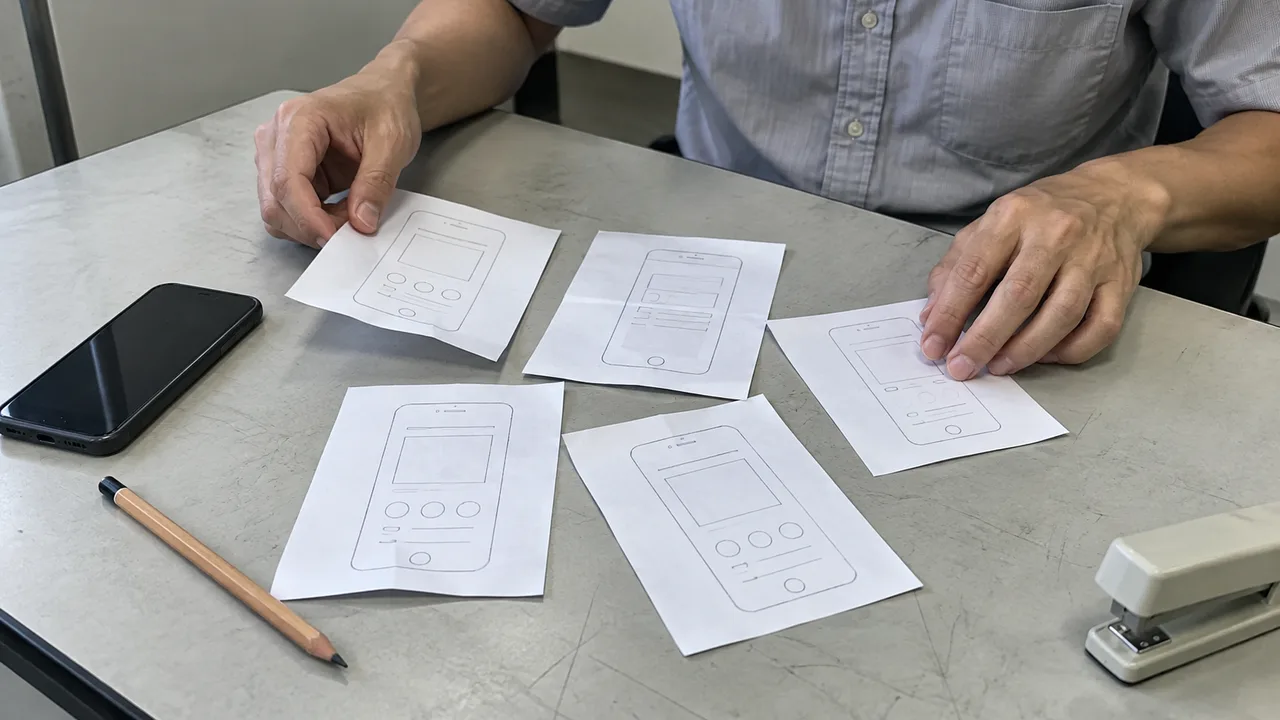
What determines app development cost in Hong Kong?
Build a comparable budget from scope, integrations and operating requirements rather than an unsupported market average.
Read article →
AI agents or chatbots: choose by the task
The useful distinction is what the system may read, decide and change.
Read article →
Planning AI customer service for a Hong Kong business
Useful customer support depends on current information and a reliable path to a person.
Read article →
Planning an AI application in Hong Kong
Start with the task, data and evaluation before choosing a model or architecture.
Read article →
Automating data entry without losing control of records
Design validation, duplicate handling and recovery alongside the automation.
Read article →
Planning a WhatsApp Business integration
Connect messages to a real service workflow, with account access and staff handling planned from the start.
Read article →
A manageable release process for a startup
Make software changes repeatable, observable and recoverable before adding operational complexity.
Read article →
Choosing systems for a Hong Kong online store
Let the catalogue, fulfilment and daily operations determine the technology choices.
Read article →
ERP Implementation in Hong Kong: Data Migration and Cutover
Plan an ERP implementation in Hong Kong around process owners, clean data, migration rehearsals and a clear cutover with staff support.
Read article →
Connecting business systems without duplicate records
An integration needs ownership, mapping and failure handling as well as a connection.
Read article →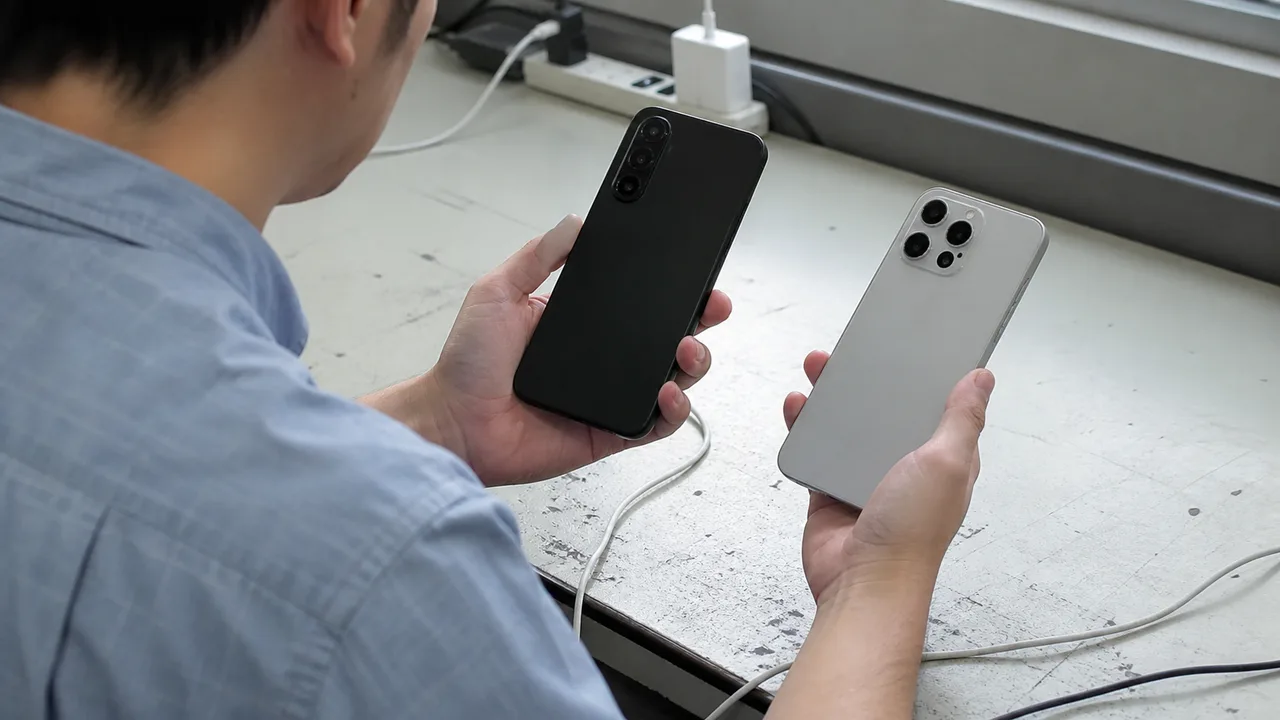
Native or cross-platform: choosing an app approach
Evaluate the hardest device requirement and the maintenance plan before choosing a framework.
Read article →
Designing for English and Traditional Chinese users
Test real content and complete tasks in both languages, especially on a phone.
Read article →
A practical security review for a small business
Start with account access, updates, backups and the ability to respond to an incident.
Read article →
Planning cross-border data flows
Map where information travels before deciding which legal and technical controls apply.
Read article →
Personal data requirements in software development
Turn an agreed privacy requirement into a feature that can be tested and operated.
Read article →
Hong Kong’s critical infrastructure cybersecurity regime
Understand the designation process and your actual role before applying a compliance checklist.
Read article →
Planning compliance requirements for fintech software
Begin with what the business does, then translate the applicable obligations into product requirements.
Read article →
Preparing a digital service for Greater Bay Area operations
Evaluate the customer journey, local operations and data flows market by market.
Read article →
Hong Kong Technology Funding 2026: TVP Status and Eligibility
The Technology Voucher Programme is closed to new applications. Check current schemes, eligibility and procurement rules before budgeting funding for a software project.
Read article →